
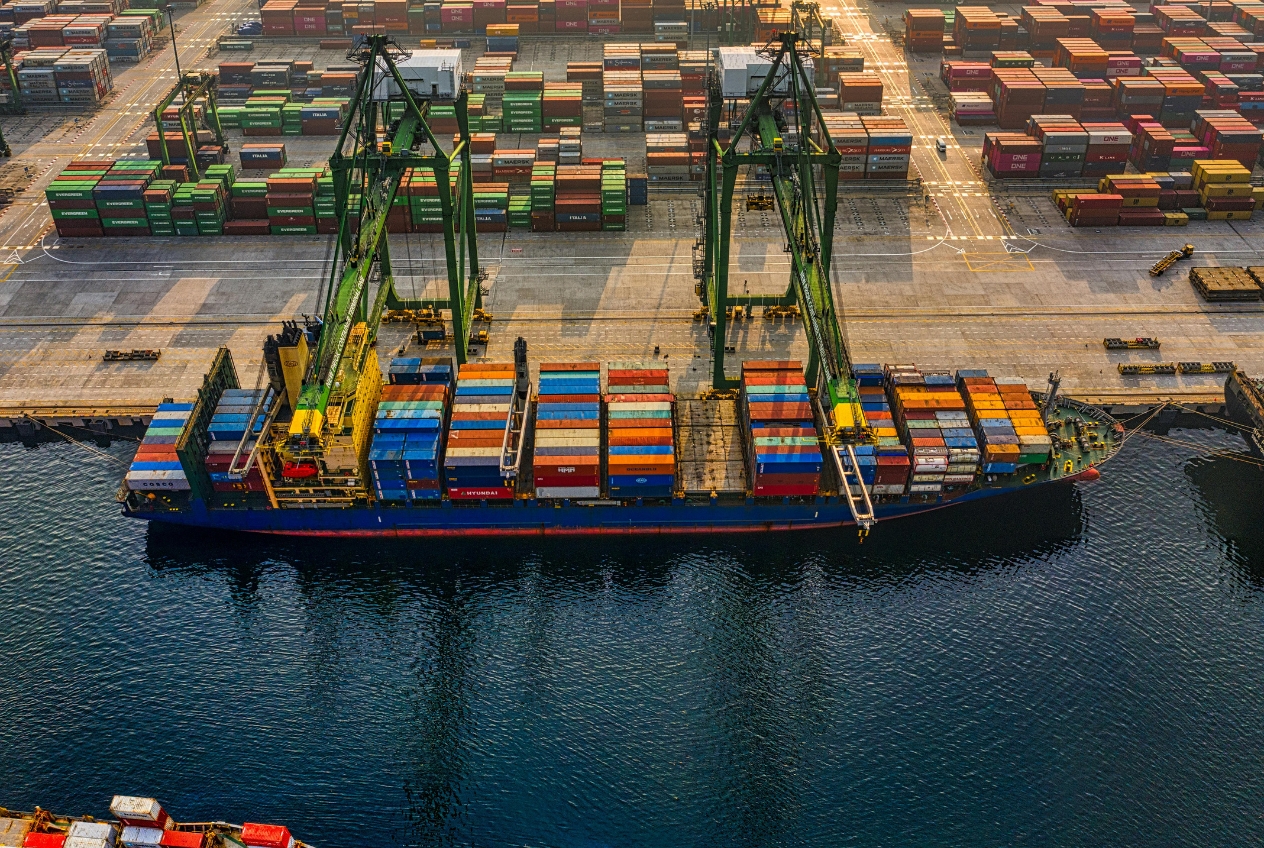
On paper, importing an industrial component seems straightforward: identify the part, purchase it, and wait for delivery. In reality, international industrial logistics is one of the most common failure points in critical operations.
Many companies only realize this when the part is already delayed — and production is already stopped.
Why Industrial Imports Often Fail
The most frequent issues include:
- Incomplete or incorrect documentation
- Improper tariff classification
- Poor customs planning
- Hidden costs delaying clearance
- Lack of real-time visibility
When the component is critical, these issues multiply the impact.
Logistics Is Not Transportation — It Is Risk Management
Effective industrial logistics involves much more than shipping:
- Structured international procurement
- Customs coordination and compliance
- Tax and duty management
- Timely customs release
- Final delivery with traceability
All of this must be executed under pressure, often with no margin for error.
The Role of Express and Accelerated Logistics
In downtime scenarios, standard logistics solutions are insufficient. What is required is:
- Accelerated import processes
- Priority routing
- Continuous communication
- Immediate decision-making
Experience matters more than theory in these moments.
Salem Solutions manages logistics as an integral part of the industrial solution, not as a separate service. This allows them to activate accelerated import strategies, maintain transparency, and reduce operational uncertainty.
Direct Impact on Operations
When logistics is properly managed:
- Maintenance teams can plan with confidence
- Operations teams reduce internal pressure
- Management maintains financial and operational control
Poor logistics execution can turn a technical issue into an organizational crisis.
Conclusion
International industrial logistics should never be an obstacle. When executed correctly, it becomes a core enabler of operational continuity.