
For decades, industrial supply was treated as a tactical function. Components were ordered when needed, suppliers were chosen based on availability or price, and continuity was assumed as long as the purchase order was placed on time. That mindset no longer holds.
In today’s industrial environment, operational continuity has become a strategic priority, and industrial supply plays a central role in protecting it.
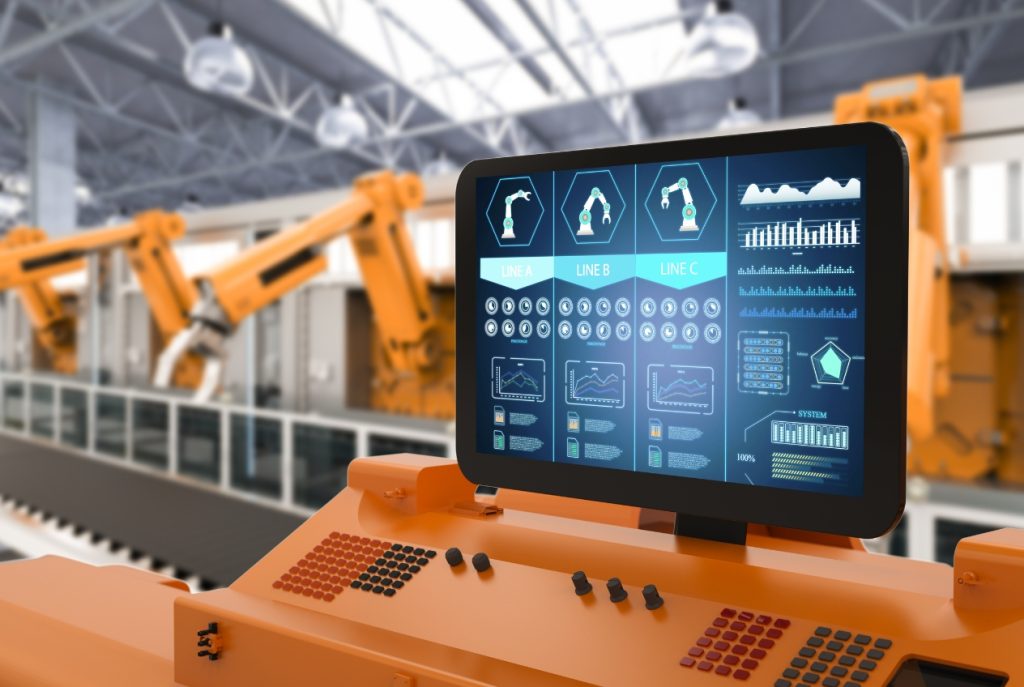
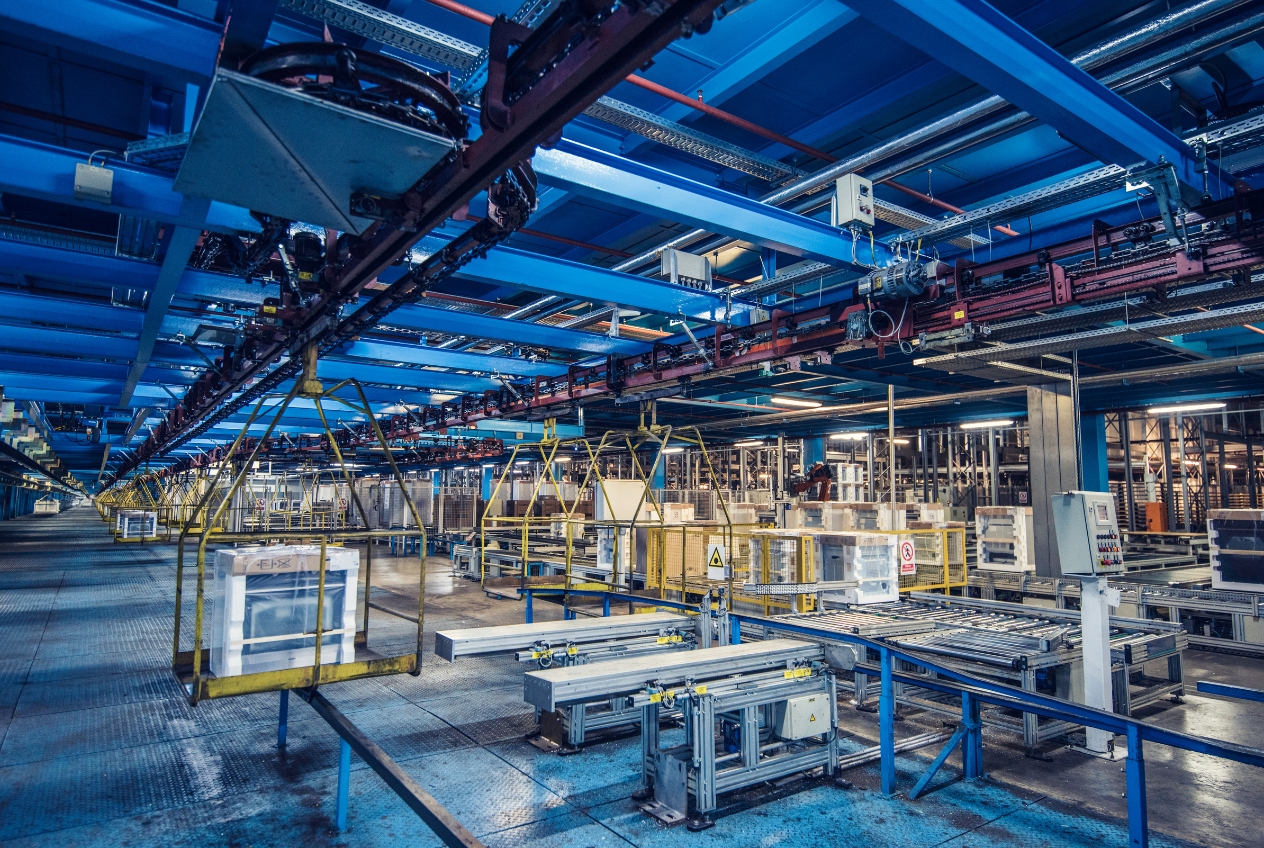
A single production line stoppage can result in lost revenue, missed delivery commitments, contractual penalties, and internal strain between maintenance, operations, procurement, and management. In many cases, the root cause is not a complex technical failure, but something far more basic: a critical component that was not available when it was needed.
The New Reality of Industrial Risk
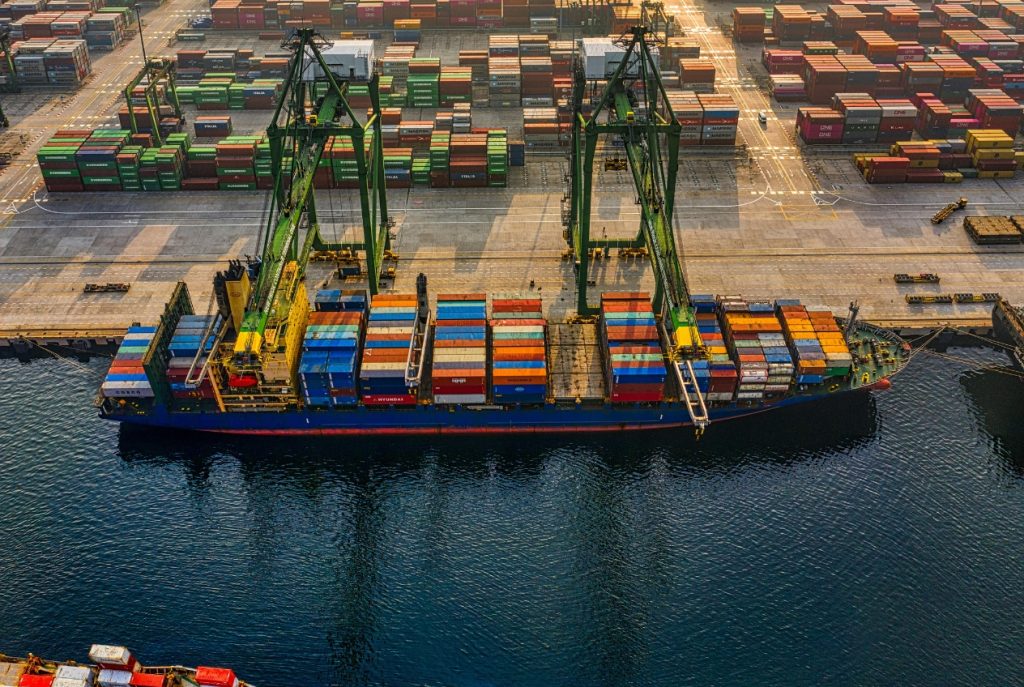
Global supply chains are more fragile than they appear. Manufacturers discontinue models faster, inventories are leaner, logistics routes are more exposed to disruption, and lead times are increasingly unpredictable.
Traditional supply models struggle when:
- A component is discontinued
- The OEM lead time extends to weeks or months
- Local distributors have no stock
- The part is critical and downtime is not an option
At that point, supply stops being a purchasing issue and becomes an operational risk.
Operational Continuity Requires Global Access
Ensuring continuity today means having access beyond local or regional markets. Companies that protect their operations work with partners capable of:
- Sourcing components globally
- Identifying exact parts or certified equivalents
- Validating technical compatibility
- Executing international logistics without delays
This approach allows organizations to respond to disruption instead of being controlled by it.
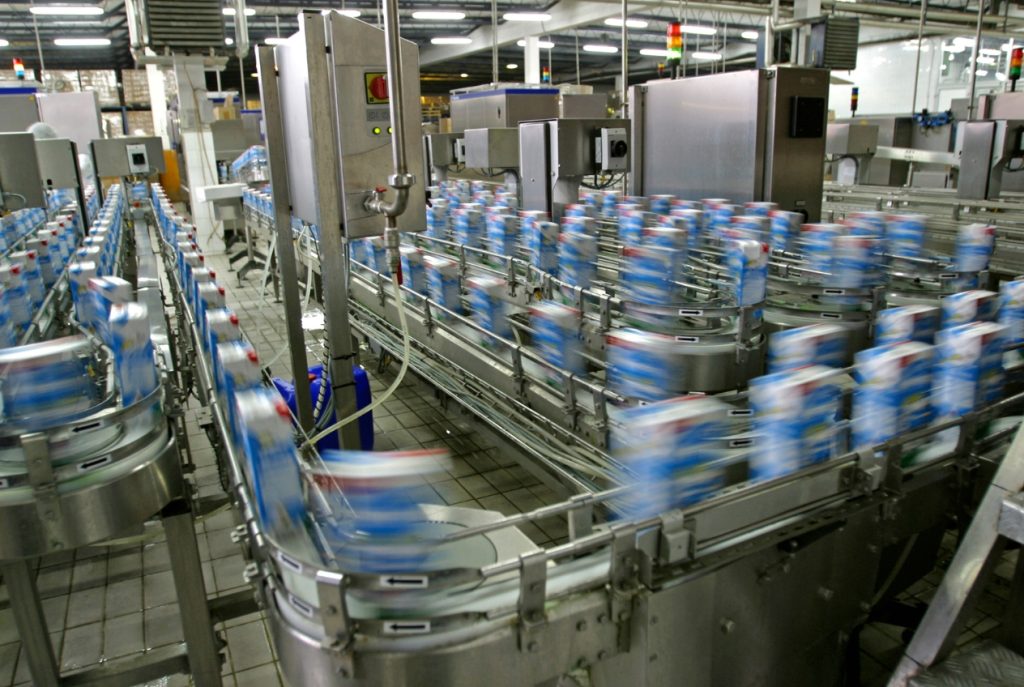
Salem Solutions operates under this model, acting as an operational ally rather than a catalog-based supplier. Their structure is designed to respond precisely when standard supply channels fail, which is often when continuity is most at risk.
From Reactive Purchasing to Strategic Supply
Industrial leaders are increasingly integrating supply into strategic planning by:
- Defining critical components
- Establishing safety stock or dedicated inventory
- Working with globally connected supply partners
- Designing contingency sourcing strategies
Operational continuity is not accidental. It is engineered.
Conclusion
Industrial supply is no longer just about procurement efficiency. It is about protecting production, revenue, and reputation. Companies that treat supply as a strategic function are far better positioned to withstand disruption — and to recover faster when it occurs.